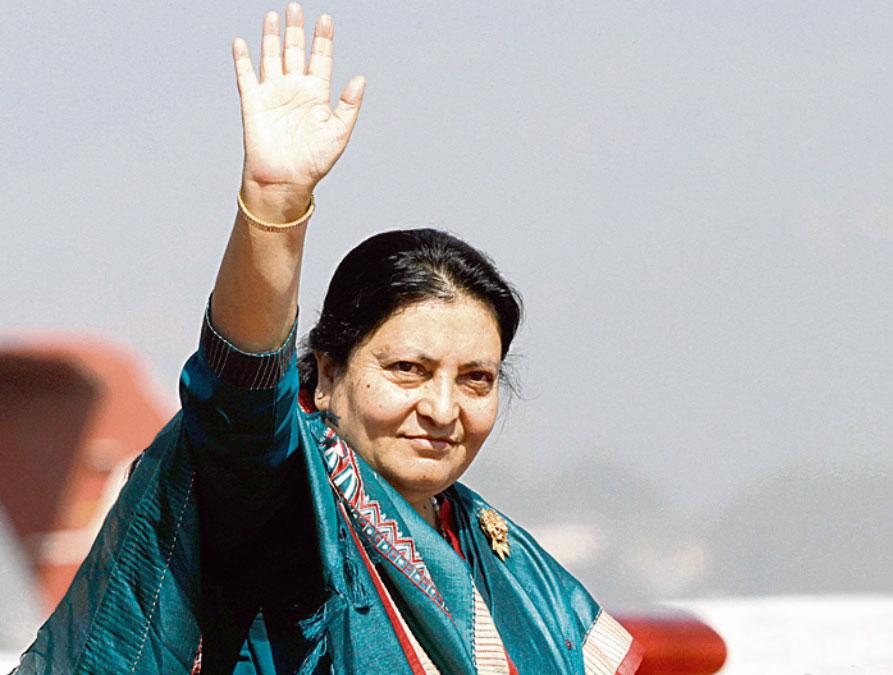
श्रीमती विद्यादेवी भण्डारी
श्रीमती विद्यादेवी भण्डारीको जन्म वि.सं. २०१८ साल असार ५ गते नेपालको पूर्वी पहाडी जिल्ला भोजपुरको मानेभञ्ज्याङ गाउँमा भएको थियो । आमा मिथिला पाण्डे र बुबा स्व.रामबहादुर पाण्डेका पाँच छोराछोरीमा उहाँ जेष्ठ सन्तान हुनुहुन्छ । गाउँको एउटा सामान्य किसान परिवारमा जन्मेर सङ्घर्षका अनेकौं आरोह-अवरोहहरू पार गर्दै राष्ट्रपति जस्तो गरिमामय जिम्मेवारीमा पुग्न सफल उहाँको जीवन सबैका लागि प्रेरणादायी र उर्जापूर्ण छ ।
उहाँले विद्यालय शिक्षा आफ्नै गाउँको बेहेरेश्वर प्राथमिक विद्यालय, पञ्चकन्या मिडिल स्कूल, भूल्के र विद्योदय व्यावसायिक माध्यमिक विद्यालय, भोजपुरमा हासिल गर्नुभयो । यसैगरी उच्च शिक्षा क्रमशः भोजपुर क्याम्पस, भोजपुर र महेन्द्र मोरङ आदर्श बहुमुखी क्याम्पस, विराटनगरमा आर्जन गर्नुभयो । भोजपुर क्याम्पसमा अध्ययनरत रहँदाको समय उहाँको जीवनयात्राका महत्वपूर्ण मोडका रूपमा स्थापित भए । उहाँले नेपाली समाजको दयनीय अवस्थाका मूलभूत कारणहरूलाई बुझ्ने अवसर पाउनुभयो र लोकतन्त्रबिना मुलुकको अग्रगति संभव छैन भन्ने निष्कर्षमा पुग्नुभयो । वामपन्थी-लोकतान्त्रिक गतिविधिहरूमा सहभागी हुने क्रममा उहाँको राजनीतिक दृष्टिकोण उन्नत बन्न पुग्यो । आम विद्यार्थीहरूका हकहितका विषयहरूका अतिरिक्त उहाँ निरङ्कुश राजतन्त्र र निर्दलीय पञ्चायती व्यवस्था विरोधी लोकतान्त्रिक आन्दोलनमा सक्रिय सहभागी हुनुभयो । यससँगै उहाँको जीवनको कठिन र जोखिमपूर्ण राजनीतिक यात्राको आरम्भ भयो । त्यस क्रममा उहाँले अखिल नेपाल राष्ट्रिय स्वतन्त्र विद्यार्थी युनियन (अनेरास्ववियु) को पूर्वाञ्चल क्षेत्रको अग्रणी विद्यार्थी नेताको रूपमा भूमिका निर्वाह गर्नु भयो । यसै अवधिमा उहाँ विराटनगरको महेन्द्र मोरङ आदर्श बहुमुखी क्याम्पसको स्वतन्त्र विद्यार्थी युनियनको पदाधिकारीमा निर्वाचित हुनुभएको थियो ।
भोजपुरको विद्योदय माध्यमिक विद्यालयमा अध्ययन गर्ने क्रममै उहाँ भूमिगत कम्युनिष्ट पार्टीको सम्पर्कमा आउनुभएको थियो । वि.सं. २०३५ सालमा नेपाल कम्युनिष्ट पार्टी (माले) को स्थापनालगत्तै त्यस पार्टीको युथलिगको सदस्यको रूपमा उहाँको सङ्गठित राजनीतिक जीवनको आरम्भ भयो । यस सँगसँगै उहाँ वि.सं.२०३७ सालमा नेकपा (माले) निकट अखिल नेपाल महिला संघको सदस्य बन्नुभयो र पछि अध्यक्षको रूपमा तीन कार्यकालसम्म नेतृत्व गर्नुभयो । महिला संघमा आवद्ध भएदेखि नै उहाँले नेपाली महिलाहरूले भोग्नुपरेका उत्पीडनका विरुद्ध निरन्तर आवाज उठाइरहनु भयो र महिला समानता र अधिकारको प्राप्तिको लागि निरन्तर संघर्षरत रहनुभयो । यसरी उहाँको राजनीतिक जीवन विद्यार्थी आन्दोलनको अग्रणी, महिला अधिकारको सक्रिय अभियन्ता र लोकतन्त्रका निम्ति संघर्षरत पार्टीको प्रतिवद्ध कार्यकर्ताका रूपमा तीनवटा आयाममा सँगसँगै अगाडि बढ्यो ।
वि.सं. २०३९ सालमा उहाँको विवाह कम्युनिष्ट पार्टीका लोकप्रिय नेता मदन भण्डारीसँग भयो । जननेता मदन भण्डारीको २०५० साल जेठ ३ गतेको एक रहस्यमय जीप दुर्घटनामा दुःखद निधन भएसँगै उहाँको दाम्पत्य जीवन एघार बर्षको छोटो समयमै समाप्त भयो । पतिको दुःखद अवसानपश्चात् नाबालक नै रहेका छोरीहरू उषाकिरण र निशा कुसुमको लालन-पालनको साथसाथै थप राजनीतिक जिम्मेवारी उहाँले लिनुभयो ।
नेकपा (एमाले)का तर्फबाट २०५० सालको उपनिर्वाचनमा प्रतिनिधिसभा सदस्यमा निर्वाचित भएपछि उहाँको राजनीतिक जीवनले नयाँ उचाइ लिएको थियो। त्यस क्रममा उहाँ तीनपटक प्रत्यक्ष निर्वाचित सांसद बन्नुभयो। २०६२/६३ को दोस्रो जनआन्दोलनपछिको पुनःस्थापित संसदमा महिलाका अधिकारसम्बन्धी चार विशेष प्रस्ताव पेस गरी ३३ प्रतिशत महिला सहभागिता सुनिश्चित गर्न योगदान दिनुभयो। यो प्रावधान अन्तरिम संविधान हुँदै नेपालको संविधानमा संस्थागत गर्न उहाँले नेतृत्वदायी भूमिका निर्वाह गर्नुभयो। साथै, उहाँसँग वातावरण मन्त्री, रक्षा मन्त्री र एमालेको उपाध्यक्ष पदमा दुई कार्यकालसम्म कार्य गर्नुभएको अनुभवसमेत छ।
श्रीमती विद्यादेवी भण्डारी लोकतान्त्रिक गणतन्त्र नेपालको दोस्रो राष्ट्रपति र नेपालको संविधान घोषणा भएपश्चात् निर्वाचित हुने पहिलो राष्ट्रपति हुनुहुन्छ । उहाँ मुलुकको सर्वोच्च पदमा निर्वाचित हुनुहुने पहिलो नेपाली महिला पनि हुनुहुन्छ । उहाँ वि.सं. २०७२ साल कार्तिक ११ गते, तदनुसार इ.सं.२०१५ अक्टोबर २८ मा नेपालको व्यवस्थापिका-संसदबाट राष्ट्रपति पदमा निर्वाचित हुनुभएको थियो । पहिलो कार्यकाल सफलतापूर्वक सम्पन्न गरी वि.सं. २०७४ फागुन २९ गते राष्ट्रपति पदमा दोस्रो कार्यकालका लागि उहाँ पुन: निर्वाचित हुनुभयो । यसरी नेपालको राष्ट्रप्रमुखको रूपमा दुई कार्यकाल सफलतापूर्वक पूरा गर्दै वि.सं. २०७९ फागुन २८ गतेबाट उहाँ राष्ट्रपति पदबाट सेवा निवृत्त हुनुभएको छ ।